How Life Simulation Games Are Revolutionizing RPG Games: A New Era of Interactive Storytelling
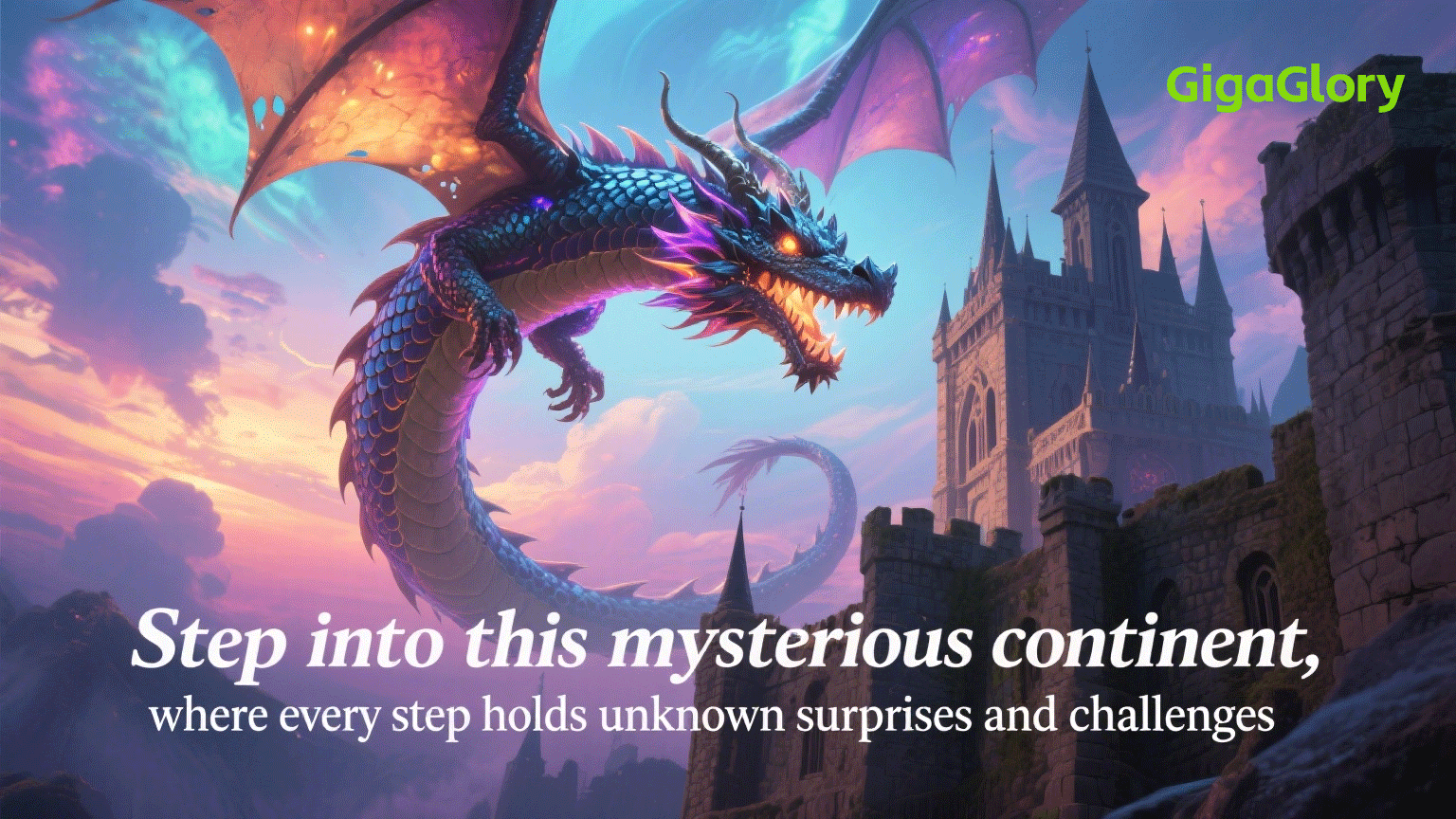
Imagine a world where the boundaries between reality and fantasy blur, where every decision shapes your journey. This dreamlike experience is becoming a reality, thanks to the rising popularity of life simulation games. They're no longer just a niche; they’re transforming the landscape of RPG games and offering players a new form of interactive storytelling.
The Fusion of Genres: RPGs Meet Life Simulations
Life simulation games like "The Sims" and "Stardew Valley" have captivated players for years. However, when these elements combine with RPG mechanics, it creates an immersive experience that grabs the attention of gamers. In a world dominated by grind-heavy gameplay and linear narratives, incorporating real-life decisions, relationships, and environments breathes new life into the genre. Below is a quick comparison of traditional RPG elements versus life simulation mechanics:
| Traditional RPG Elements | Life Simulation Mechanics |
|---|---|
| Linear Storyline | Open-ended Storytelling |
| Character Class Systems | Flexible Role Development |
| Quest-driven Gameplay | Life Goals and Relationships |
Interactive Storytelling: A Game-Changer
These hybrid games don’t just tell a story; they let players write their own. The choices players make, from their character's job to relationships, craft a narrative unique to each gamer. How long does a game of war zone last compared to these life simulation RPGs? In traditional shoot-'em-ups or quick battle arenas, the experience is short-lived. But life simulation RPGs empower players to invest time in developing communities, friendships, and personal stories. This not only results in longer gameplay hours but also deeper emotional investment.
The Community Aspect: A Shared Experience
With the introduction of multiplayer options, life simulations coupled with RPG mechanics promote social interactions. Players navigate through these worlds together, whether building a level 7 base in Clash of Clans or collaborating on quests. This shared storytelling fosters friendships and invites players into a collective experience, redefining gaming as a social endeavor. Here’s a list of benefits:
- Strengthened social connections
- Enhanced teamwork and collaboration
- Shared emotional experiences
Why This Matters: The Future of Gaming
The fusion of life simulation games and RPGs is more than just a trend; it is a shift towards more engaging, relatable content. It caters to diverse audiences and expands the definition of what gaming can accomplish. As developers continue to innovate and push boundaries, we might witness even deeper connections within gameplay. Imagine games that adapt to your life choices, offering personalized narratives that evolve as you progress.
Conclusion
The rise of life simulation games in the RPG sphere symbolizes a new chapter in interactive storytelling. This genre amalgamation invites everyone— from the casual player to RPG veterans— to immerse themselves in captivating worlds that feel vividly alive. As we look to the future, it’s clear: the characters we create, the relationships we forge, and the stories we live will forever change how we play.